


At Addit, assembly and integration are among the key stages in the execution of complex contract manufacturing projects.
We do not limit our role to assembling supplied components. We take responsibility for process development, supply chain organization, component manufacturing, supplier coordination, integration of multiple technologies, quality control, and testing of complete modules or devices.
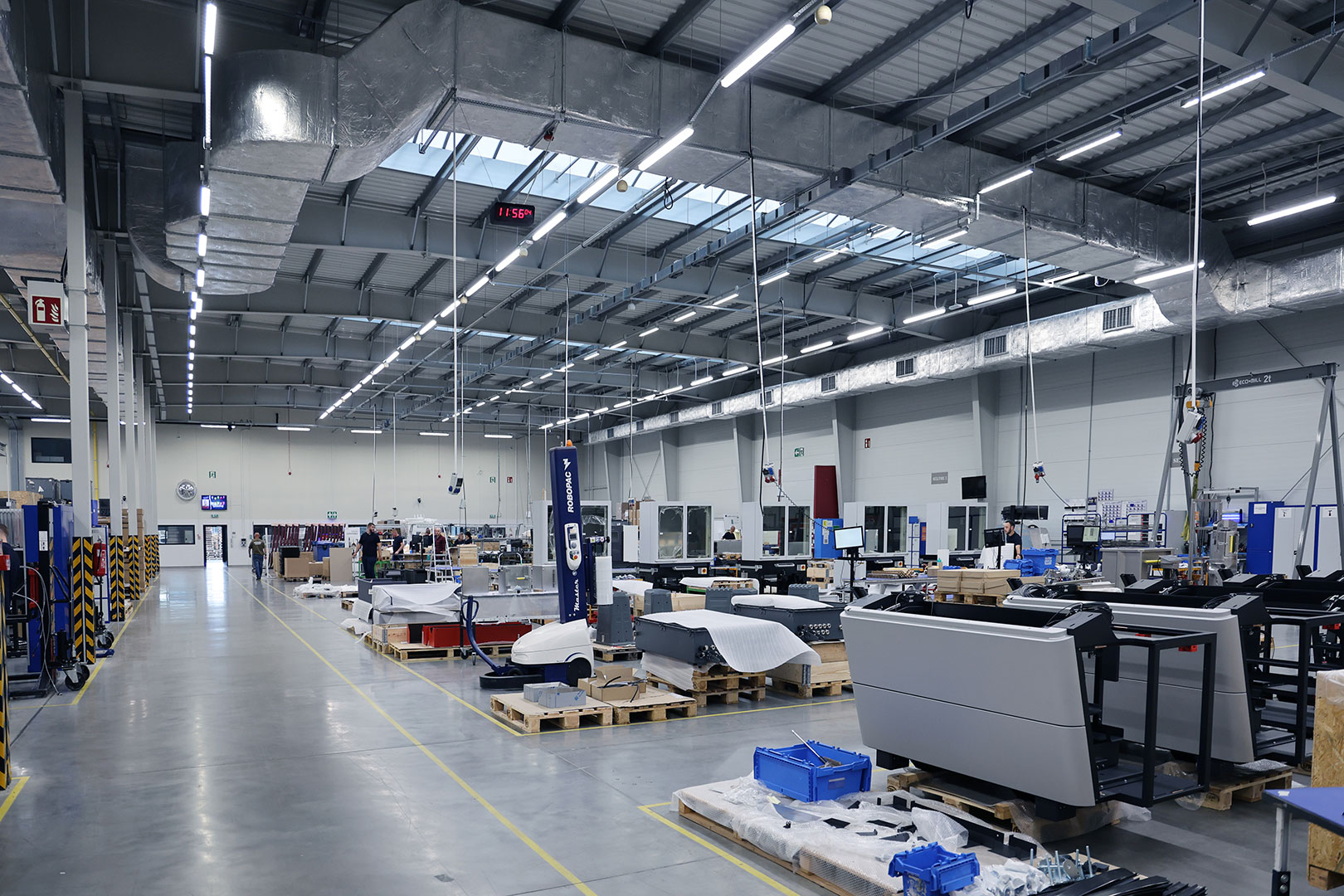
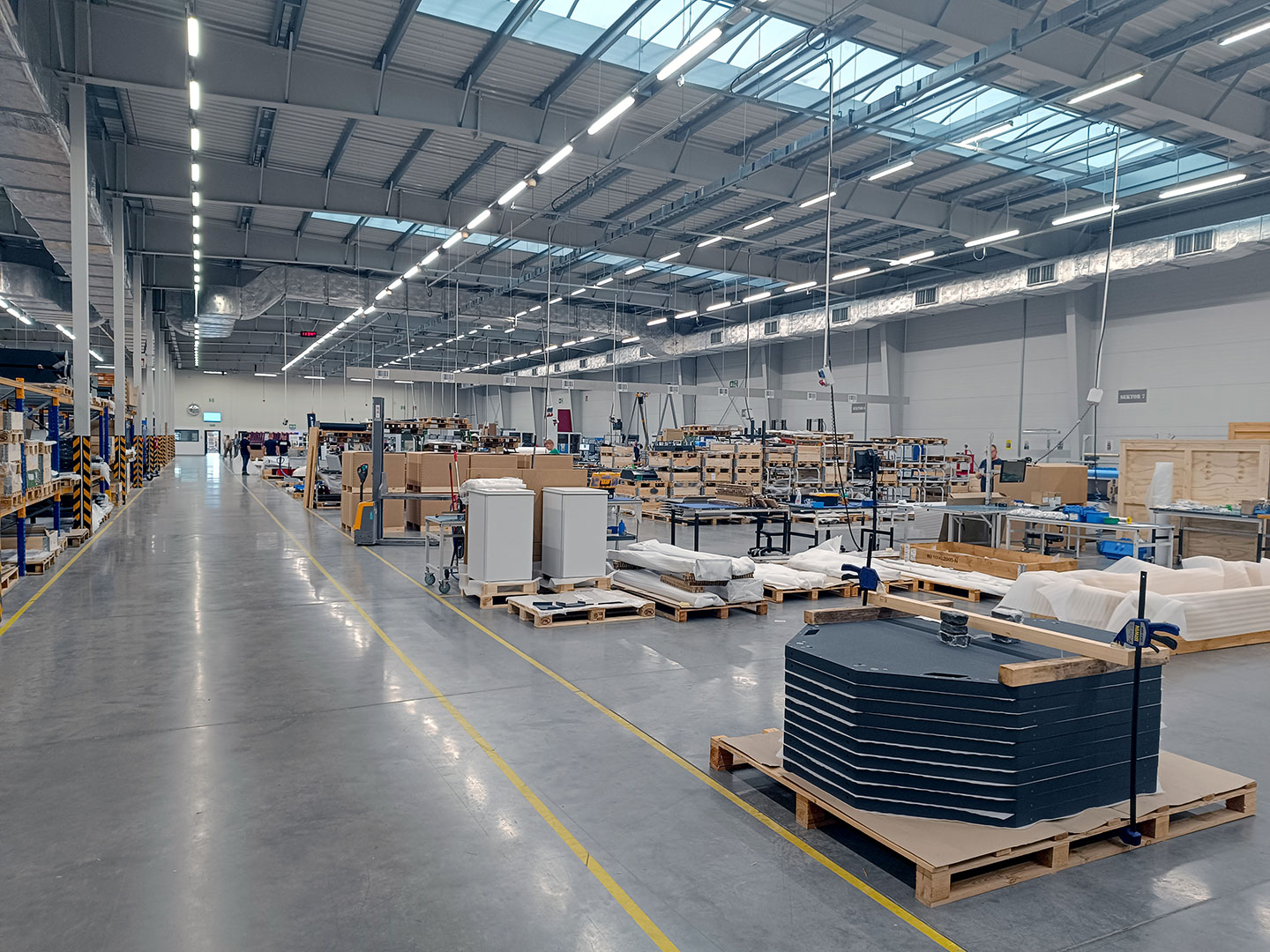
Our assembly workstations bring together all of Addit’s manufacturing capabilities. We integrate components manufactured in-house, parts produced by our subcontractors, standard off-the-shelf components, and equipment sourced from customer-nominated suppliers. The result is one complete, integrated product ready for direct use in the customer’s machine or system.
This approach is at the core of Addit’s one-stop-shop model: from engineering support and component manufacturing through assembly and integration to testing, logistics, and delivery of the finished product.
Design and Industrialization of the Assembly Process
Every assembly project requires an individually developed process tailored to the product design, number of variants, production volume, and customer quality requirements.
Before production begins, we analyze technical documentation, 3D models, the BOM structure, and acceptance specifications. We define the sequence of operations, assembly accessibility, component locating and positioning methods, required tools and fixtures, critical parameters, and inspection points. We also analyze potential interference, tolerance stack-ups, and issues that may only become apparent once all components have been integrated.
Based on the customer’s specifications, we prepare:
- electronic work instructions
- component handling procedures
- inspection plans
- acceptance criteria
- test sequences
- special process documentation
- traceability requirements
- methods for recording operation and test results
The process is then verified during prototype builds, pilot batches, and initial production runs. Findings from assembly and testing can be used to optimize the design within the DFM and DFA framework, reduce the risk of errors, shorten assembly time, and prepare the product for scalable serial production.
In High Mix – Low Volume – High Complexity projects, configuration management and the efficient implementation of engineering changes are particularly important. Each new revision is analyzed in terms of its impact on purchased components, assembly sequence, tooling, joining technologies, process parameters, work instructions, and testing procedures.
Assembly as Part of Comprehensive Product Responsibility
Manufacturing a complete module is significantly more complex than producing individual sheet metal components. It requires not only expertise in component manufacturing technologies but also effective management of the product’s material structure, configuration, suppliers, component availability, special processes, and the final functionality of the complete assembly.
Depending on the cooperation model, we can:
- develop a new supply chain for the product
- take over and further develop a supply chain previously managed by the customer
- cooperate with dedicated and customer-nominated suppliers
- qualify new component manufacturers
- conduct supplier audits
- define quality, technical, and logistics requirements
- negotiate contracts and monitor supplier performance
In such projects, our Purchasing Department works closely with mechanical, electrical, and quality engineers, process engineers, planners, and logistics teams. This enables us to evaluate suppliers not only on price, but also on technical feasibility, process repeatability, quality risk, and their ability to ensure continuity of supply.
Material Management and Production Logistics
The continuity of complete device assembly depends on the availability of every component within its structure. A single missing part can prevent completion of the product, testing, and on-time delivery.
For this reason, in contract manufacturing projects we develop dedicated planning, warehousing, and supply systems. We analyze customer forecasts, component lead times, minimum order quantities, and the risk of supply disruptions. For critical components, we can maintain appropriate inventory levels, develop alternative suppliers, and implement solutions that protect production against fluctuations in demand.
Interdisciplinary Engineering Team and 75 Assembly Specialists
Process development and supervision are handled by a dedicated engineering team specializing in mechanics, electrical engineering, and mechatronics. Process engineers work closely with the Quality, Purchasing, and Logistics departments, as well as with teams responsible for component manufacturing technologies.
This combination of expertise allows us to analyze the product as one functional system. Decisions concerning component design, tolerances, coatings, purchased parts, cable routing, and assembly sequence are made with consideration for their impact on the final performance of the device.
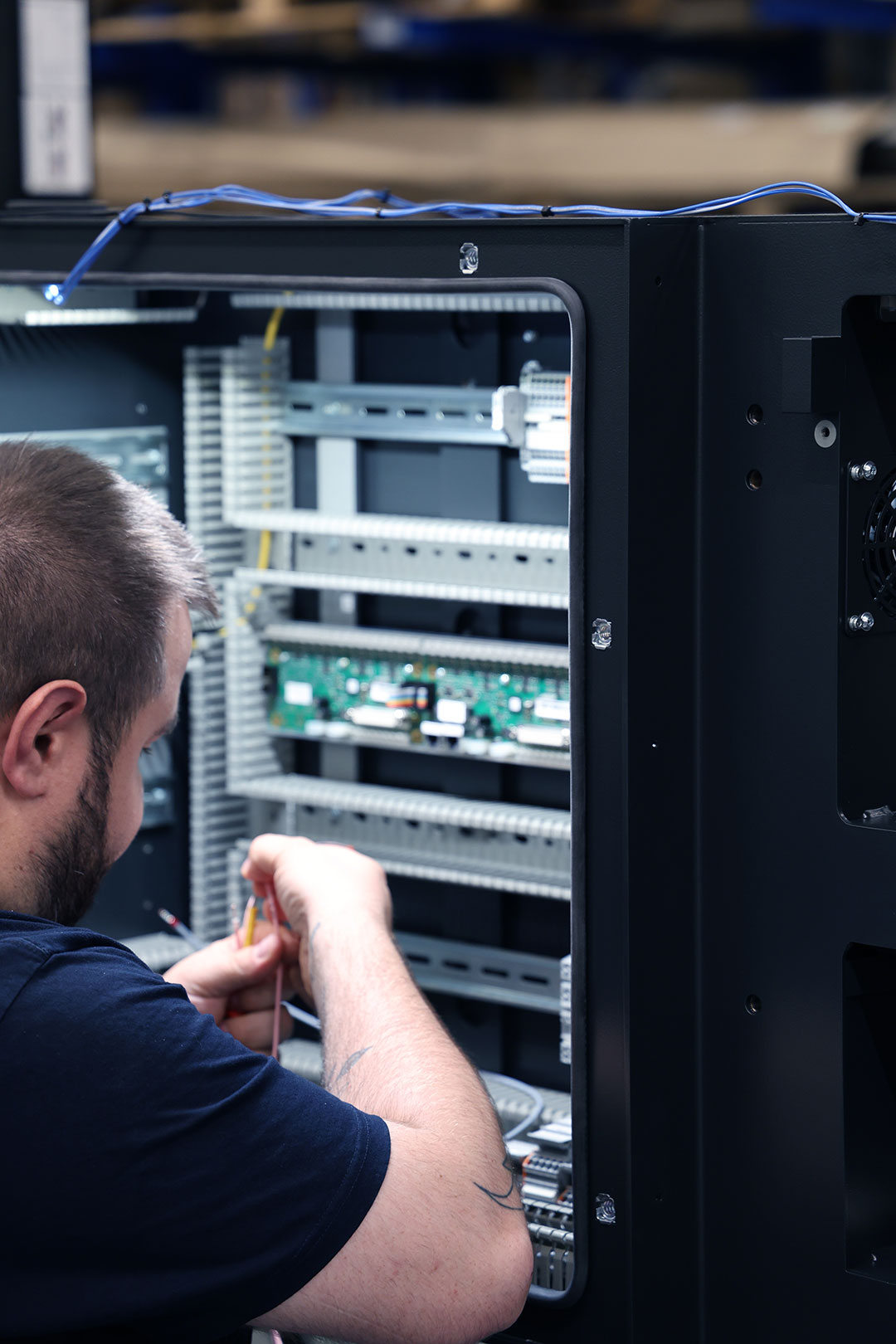
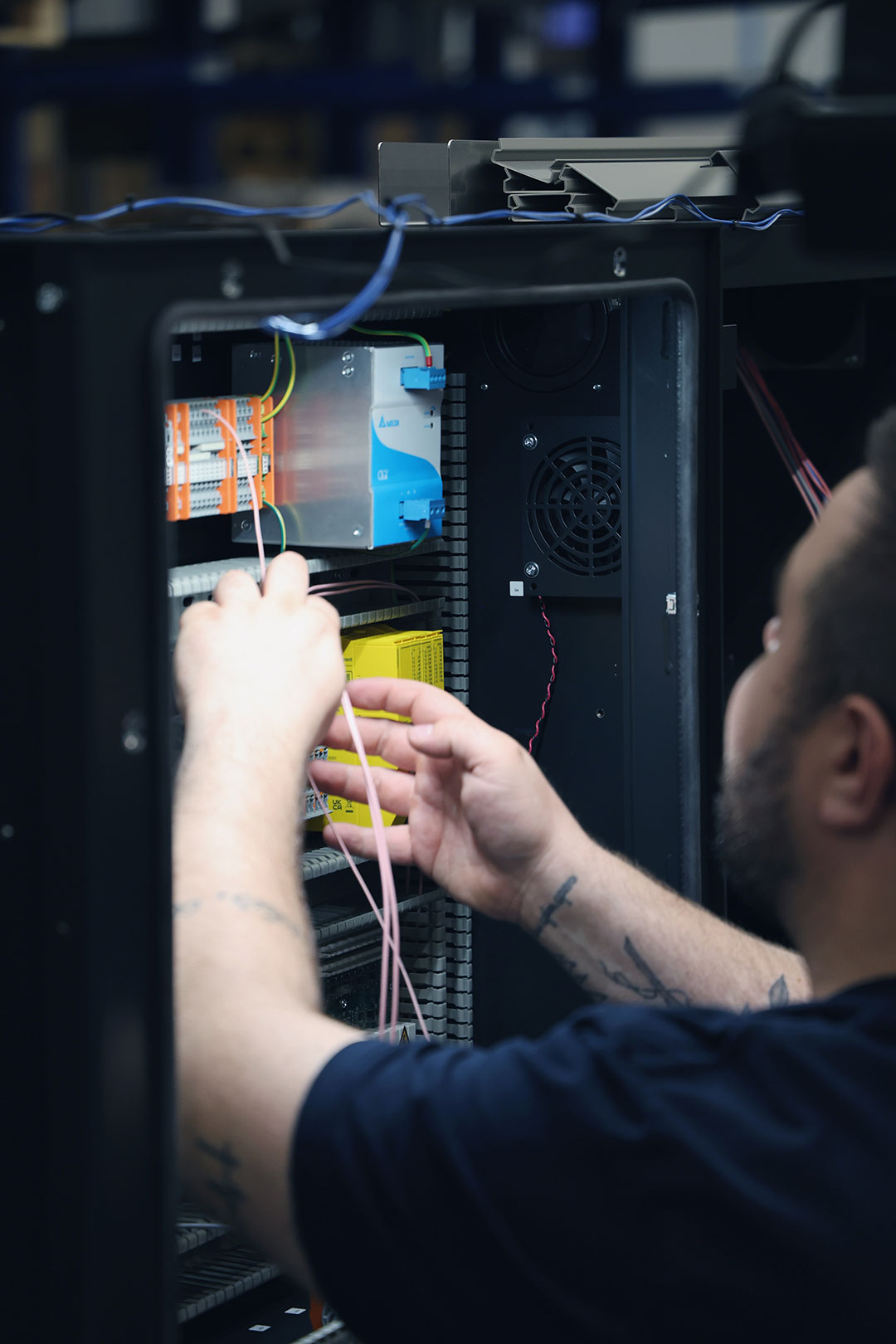
Production processes are carried out by a team of 75 assembly specialists with experience across a wide range of projects – from mechanical assembly through electrical and mechatronic integration to working with electronics under full ESD protection and assembly in a controlled cleanroom environment.
Controlled Special Processes
Special processes performed during assembly include:
- structural bonding and sealing
- semi-structural and structural riveting
- bolted connections with controlled tightening torque
- installation of press-fit components
- cable harness manufacturing
- crimping and soldering of connections
The bonding process includes proper surface preparation, control of materials and environmental conditions, as well as controlled application and curing methods. Addit has certified competencies in adhesive bonding in accordance with EN 17460, with processes carried out by qualified EAS specialists and EAB technicians.
For bolted connections, we control the specified tightening torque, the tool used, the sequence of operations and, where required by the project, the identification of the completed connection. For riveting, we supervise, among other aspects, hole preparation and fastener selection.
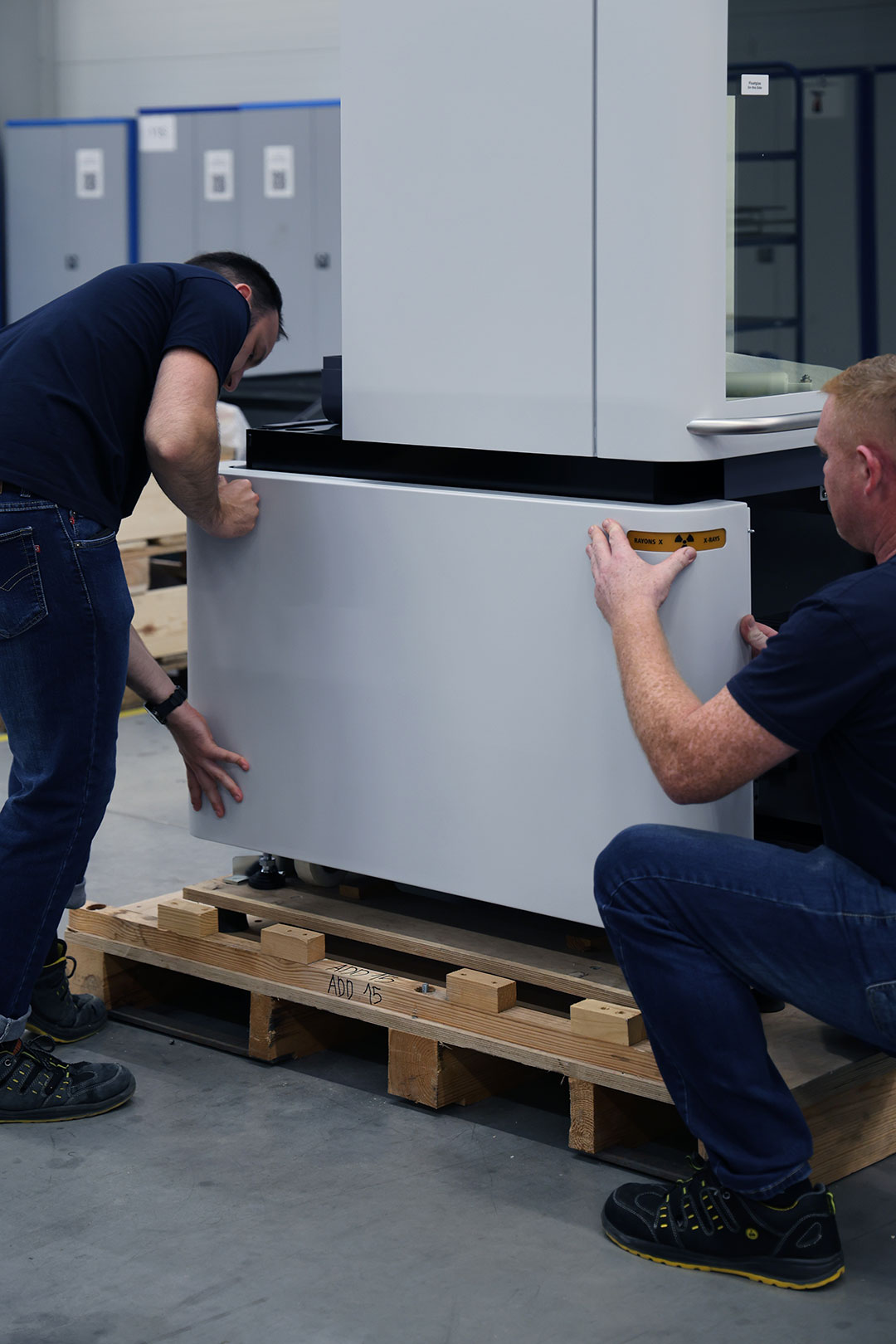
Assembly Under Full ESD Protection
Products containing sensitive electronics are assembled under full ESD protection. Appropriate workstation organization, air filtration, dedicated equipment, clothing, and materials help minimize the risk of component damage caused by electrostatic discharge.
Assembly in a Cleanroom Environment
For devices requiring controlled contamination levels, we perform cleaning, assembly, integration, and packaging in a controlled cleanroom environment in accordance with ISO 14644 Class 7 cleanliness requirements.
Dedicated Area for Defense Projects
We also operate a dedicated assembly area for demanding defense industry projects subject to specific licensing, organizational, and data protection requirements. Addit holds a license to conduct activities involving products and technologies intended for military or law enforcement applications and carries out defense projects requiring mechanical, electrical, electronic, and mechatronic integration.
Modules Ready for Direct Installation
At Addit, complete modules are tested, approved, and prepared for direct delivery to the customer’s assembly line. Thanks to agreed quality and acceptance procedures, they do not require another full inspection before integration into the final device.
What Does the Customer Gain?
- one partner responsible for the complete module
- combined manufacturing, engineering, purchasing, and logistics expertise
- comprehensive control over suppliers, special processes, and quality
- traceability of components and test results
- efficient implementation of engineering changes and production scaling
- delivery of a complete, tested module directly to the customer’s production line
Testing and Validation of the Complete Module
Assembly concludes with confirmation that the complete product meets the agreed technical and functional requirements. We do not simply deliver an assembled set of components – we deliver a verified module ready to operate within the customer’s equipment.
The scope of inspection and testing includes:
- functional testing
- electrical measurements
- verification of wiring continuity and correctness
- testing of drives and actuators
- leak and pressure testing
- verification of parameters related to IP protection ratings
- tightening torque verification
- validation of bonded, riveted, and bolted connections
- dimensional inspection of the complete assembly
- final visual and quality inspection
Testing is carried out using universal measuring equipment or dedicated test stations, systems, and software provided by the customer. Acceptance procedures, acceptance criteria, and methods for documenting results are agreed jointly before production is launched.
Results can be recorded in reports assigned to a specific module, serial number, or production batch. The finished product is then protected, packaged, and prepared for shipment.
Contact Us
Send us your technical documentation, BOM structure, 3D model, or functional product requirements. We will analyze the project scope, propose a suitable supply chain model, develop the assembly and testing process, and define the path from prototype to stable serial production.


